STORIES OF SUCCESS
We cater to our clients’ needs.

-
CITRUS
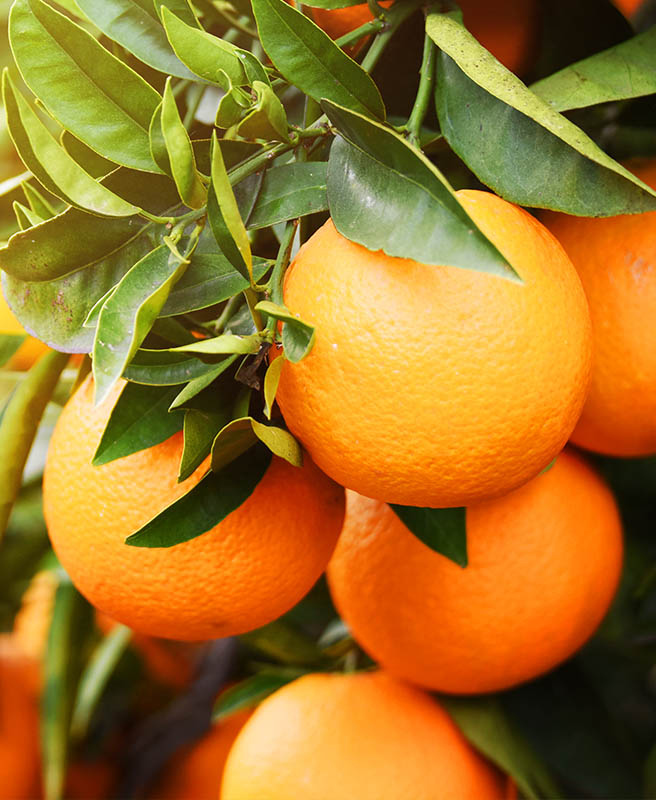
In citrus cultivation, factors such as water stress, soil salinity, solar radiation and various nutritional deficiencies can directly impact fruit set and size, thereby affecting crop profitability. GREENLAND's latest generation of biostimulant formulations has been designed to mitigate the main stresses affecting crop development effectively.
Thanks to our new technologies, producers have achieved the following:Stimulated sprouting in treated seedlings compared to untreated ones.
Recovery of paralysed trees by stress or phytotoxicity, restoring their productive vigour.
Increased yield in terms of both the number and size of fruits
They have also reduced losses due to sunburn, which are becoming increasingly common due to increased radiation.
-
OLIVE TREE
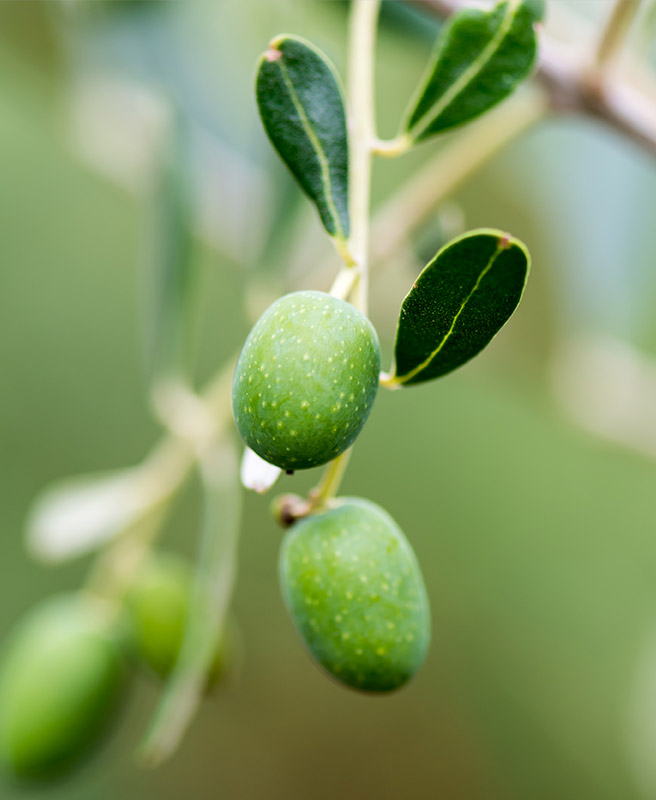
Traditionally resistant to extreme conditions, the olive tree has thrived in harsh climates and poor soils. However, increasing water scarcity and recent temperature variations are presenting new challenges to its cultivation.
Thanks to GREENLAND's biostimulant formulation, the following has been achieved:Stimulated photosynthesis to promote vigorous and balanced root and foliage development.
Activated the tree's natural defences to help prevent diseases such as olive knot, verticillium wilt and soapy olive.
Promoted more table harvests, even under adverse weather conditions.
Improved fruit quality, with higher fat content and a better organoleptic profile.
-
AVOCADO
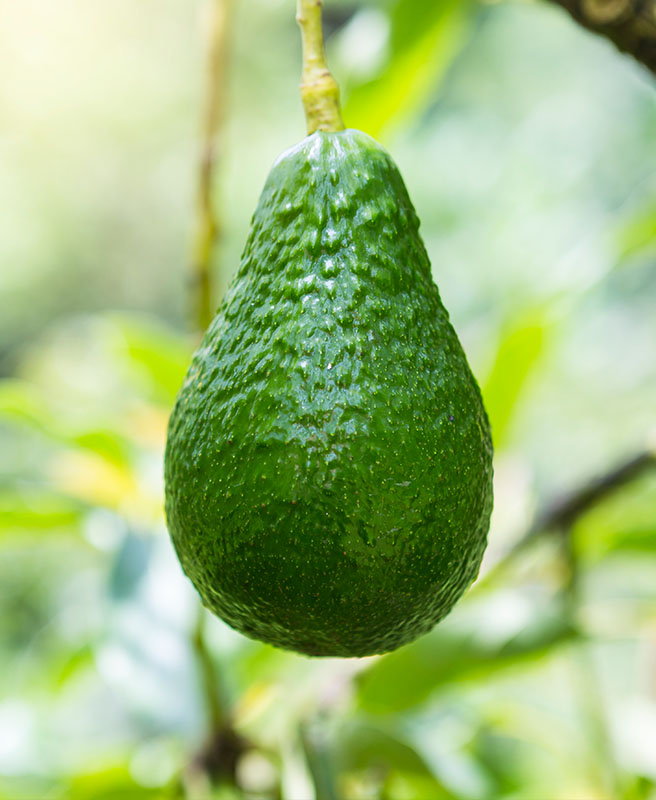
Thanks to its high nutritional value, avocado has established itself as a strategic crop, providing a source of vitamins, folates and essential minerals. However, it has high agronomic requirements and needs optimal soil, climate, nutritional and irrigation conditions. It is also particularly susceptible to biotic factors, such as mites, mealybugs, thrips and galls, which increases the complexity of its management.
Thanks to GREENLAND's specific biostimulation programmes, the following has been achieved:Recovery of plantations affected by salt stress, with reactivation of vegetative development and improved fruit set.
Stimulation of flower emission to promote more effective fruiting.
Boost fruit enlargement to increase size.
Significantly improving the quality and final yield of the harvest.
-
RICE
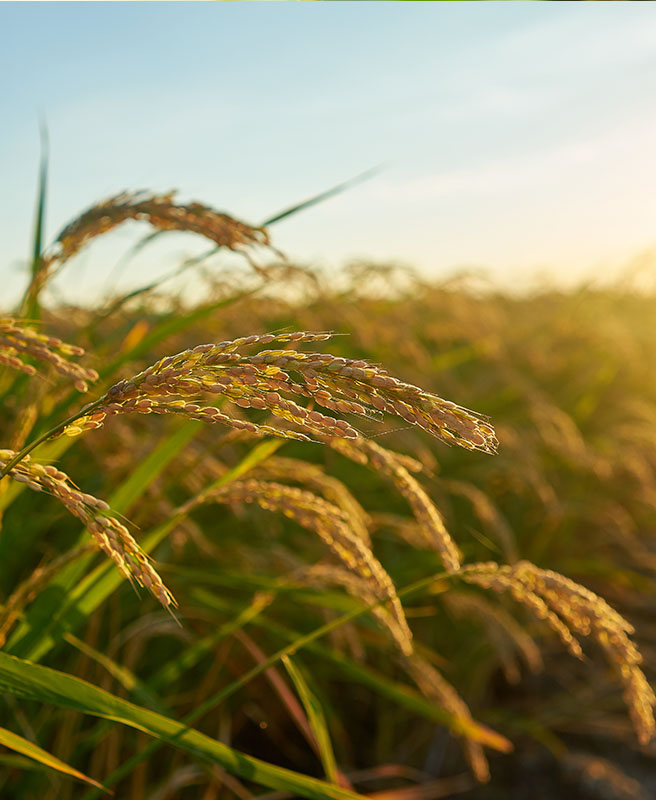
Rice is one of the fundamental pillars of global nutrition. However, it faces multiple challenges in cultivation, particularly when grown in flooded fields specifically designed for its production, known as rice paddies. It is scientifically proven that abiotic stress directly impacts spike formation and grain filling. Soil compaction in waterlogged environments adds to this, limiting root activity and reducing plant yield.
The application of GREENLAND biostimulants has enabled us to:Enhance vegetative growth and overall crop vigour.
Improve flowering, setting and grain filling.
Achieve more homogeneous, fields with larger panicles and a higher number of grains per plant.
Increase annual production by an average of 20%, thus boosting crop profitability.
-
RED BERRIES
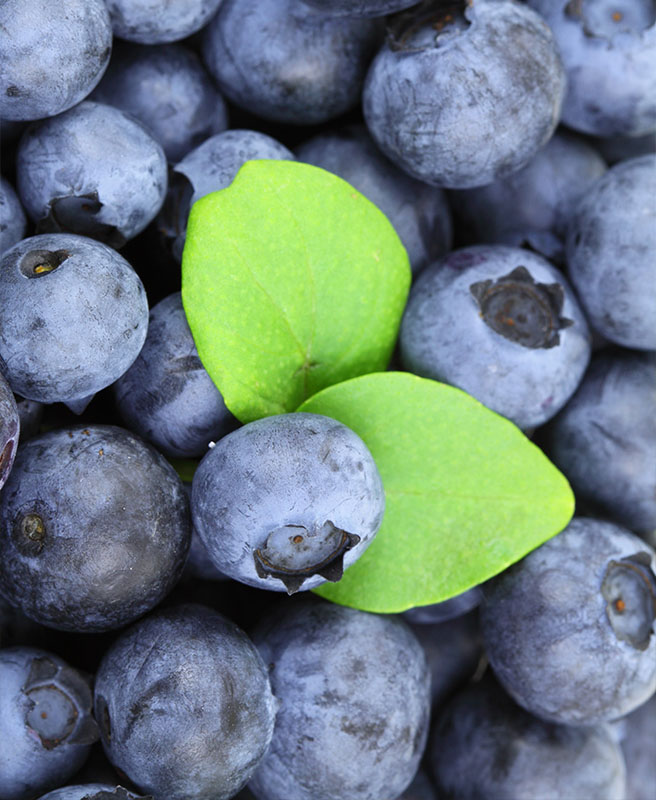
Berries are highly valued for their high antioxidant, vitamin and fibre content, which drives global demand. However, they are particularly sensitive to water stress. A lack of water causes stomatal closure, reducing photosynthesis and nutrient transport. This situation leads to nutrient deficiencies and the accumulation of reactive oxygen species (ROS), which damage cells and reduce the plant's vigour and resistance.
Using GREENLAND biostimulation programmes has resulted in:Promoting osmotic adjustment to help plants maintain their water balance.
Acting as an antioxidant to reduce cell damage caused by ROS.
Increasing vegetative growth by 18%.
Improving berry size, with over 10% exceeding 20 mm.
Obtaining an additional tonne of yield per hectare.
-
VEGETABLES
Intensive vegetable crops such as tomatoes, peppers and lettuce are particularly susceptible to the effects of global warming. Their short growing cycle, high nutritional requirements, susceptibility to heat stress and progressive soil depletion constantly compromise plant vigour and production quality.
The application of GREENLAND formulations has proven decisive in:Improving leaf development and vegetative growth.
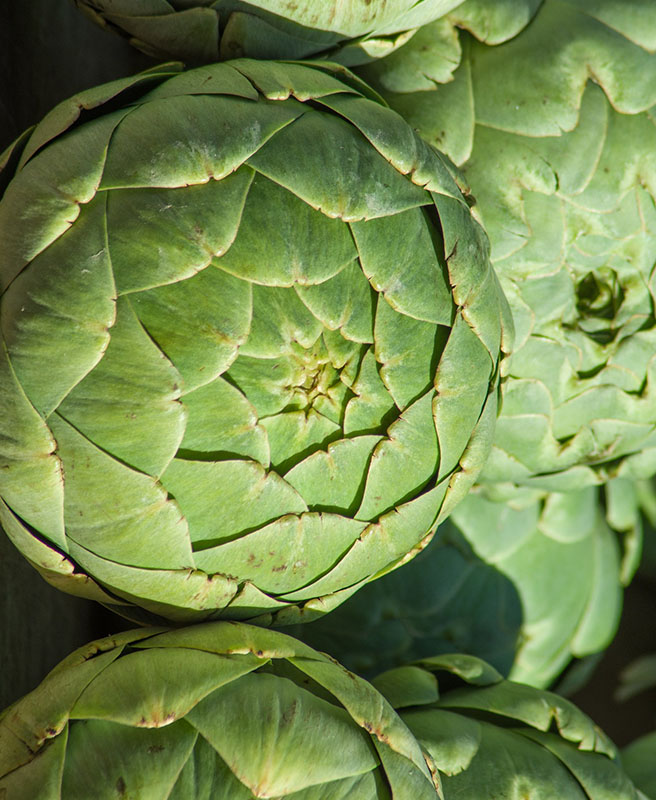
Enhancing colour and yield, particularly in crops such as tomatoes, peppers and artichokes.
Increasing tolerance to abiotic stress, such as salinity, phytotoxicity or the use of poor-quality water.
Maintaining and even increasing productivity and quality in adverse climatic conditions.